
Introduction
Collagen is currently at the heart of many wellness and beauty trends. But not every collagen source is created equal .
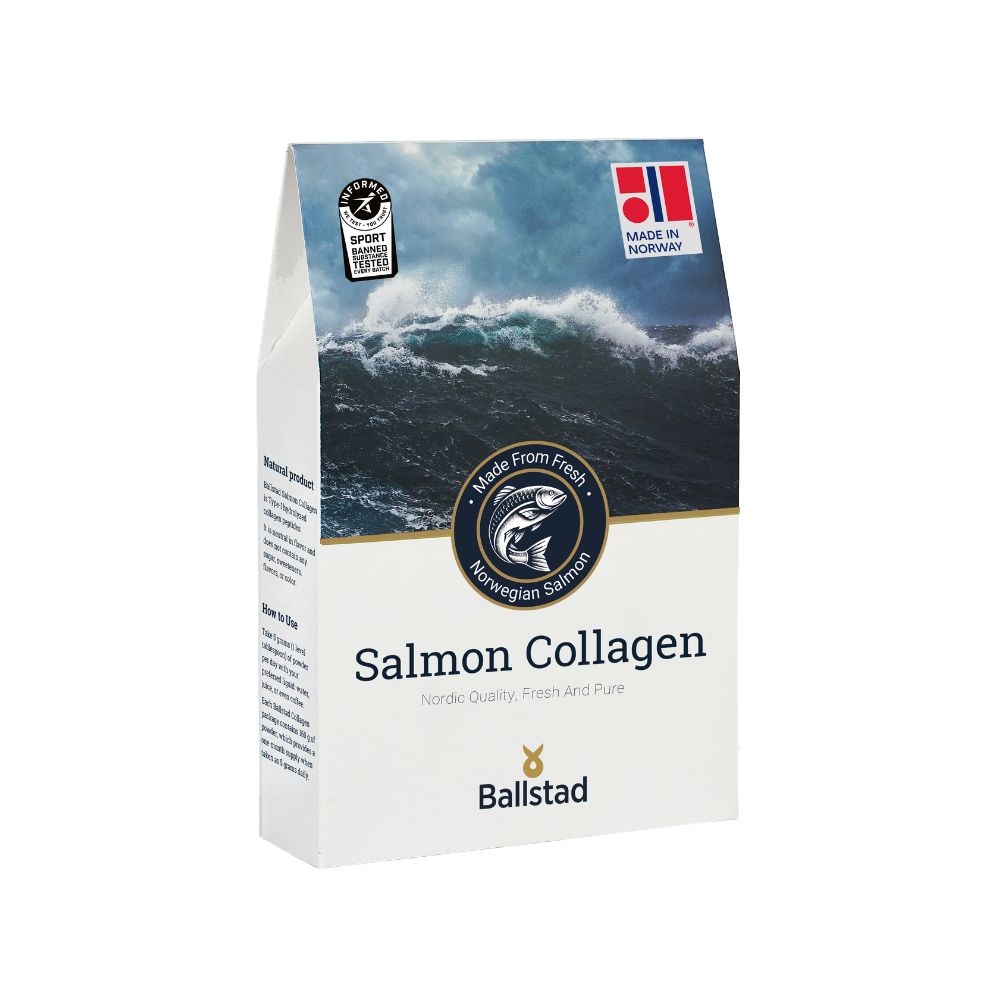
Marine collagen (also called fish collagen) is particularly impressive due to its special composition and high quality.
Here are five reasons why this form of collagen is interesting to many people.
1. High bioavailability
A key advantage of marine collagen is its particularly small peptide chains .
According to scientific studies, these can be absorbed quickly and well utilized by the body.
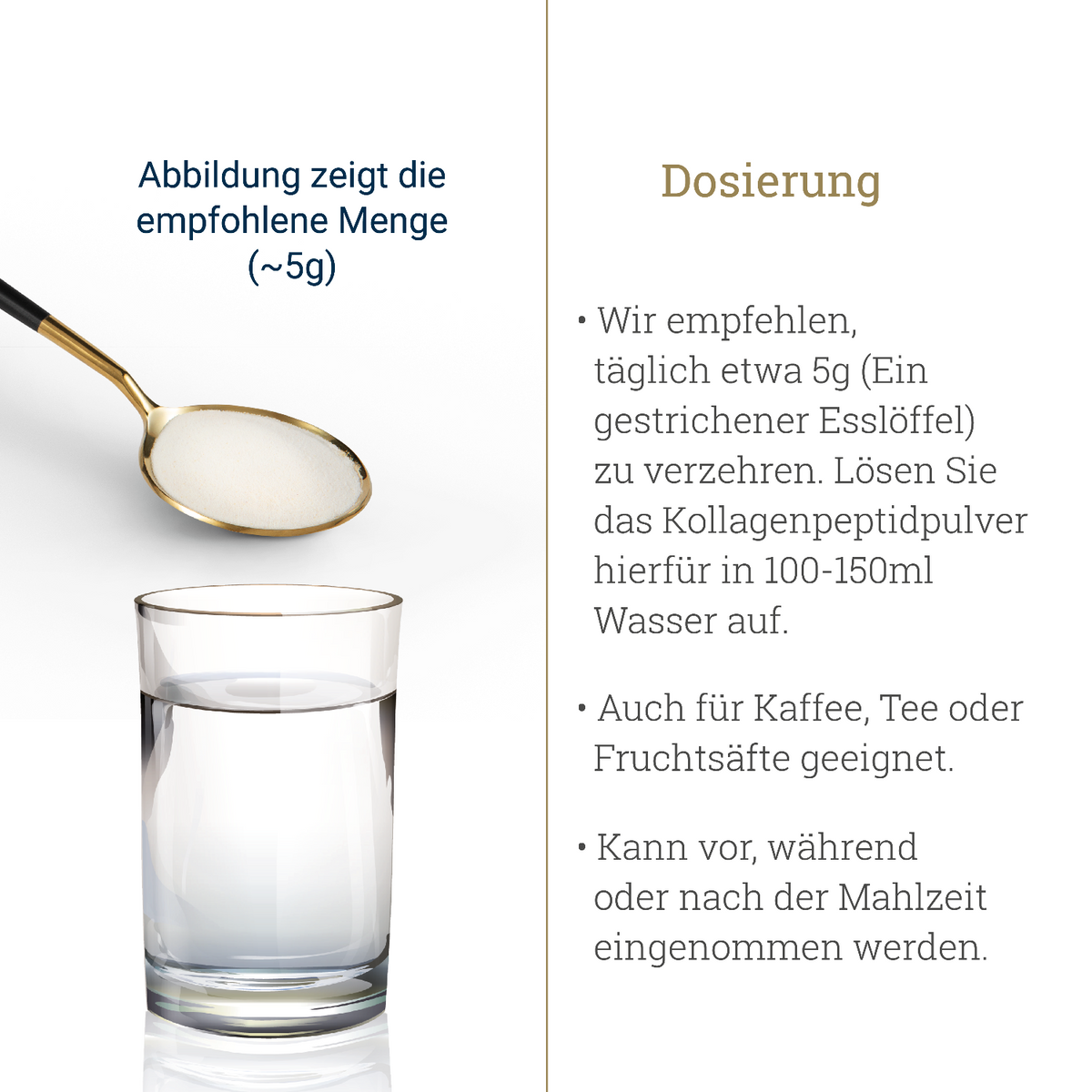
This makes it easy to integrate marine collagen into the daily diet – whether as a powder, in drinks or capsules.
2. Naturally rich in type I collagen
Type I collagen is the most common form of collagen in the human body, especially in skin, tendons and connective tissue .
Marine collagen provides this type in an easily available form , making it interesting for people who want to specifically support their general diet and connective tissue.
3. Contribution to mobility and flexibility
The body's own collagen production decreases with age.
Marine collagen contains amino acids such as glycine and proline , which are important building blocks for cartilage and connective tissue.
Regular intake can therefore help to replenish the body's natural collagen levels.
4. Clean and sustainable origin
High-quality salmon collagen is produced from sustainably sourced raw materials – often from the skins and scales of cold-water fish.
It is free of hormones and antibiotics and offers a marine alternative for people who abstain from beef or pork products.
5. Good tolerability
Marine collagen is considered to be well-tolerated and is easily digestible for most people.
If you choose a product that is odorless and tasteless, you can easily stir it into coffee, smoothies or water.
Conclusion
Marine collagen combines high bioavailability , sustainable extraction and good tolerability .
It is an interesting choice for anyone who wants to supplement their diet naturally – whether for general support of skin, connective tissue or joints.
What remains important is that regular intake and a balanced diet are crucial for long-term well-being.
Sources (selection)
-
Food & Function, 2015: Study on the intake of hydrolyzed fish collagen
-
Journal of Cosmetic Dermatology, 2014: Study on skin elasticity and hydration after collagen intake
-
Nutrients, 2021: Review of collagen peptides and joint health