
More than skin and hair
When many people think of collagen, they usually think of skin, joints, or nails. But collagen is a structural protein that is also an important component of blood vessel walls. It gives arteries, veins, and capillaries strength and elasticity – a property that is essential for normal blood flow.
Structure of the vessel walls
Type I and type III collagens form part of the framework of our blood vessels. Together, they help keep the walls flexible and able to withstand everyday stresses. As we age, the body produces less collagen, which can lead to a loss of elasticity.
Salmon collagen as a high-quality source
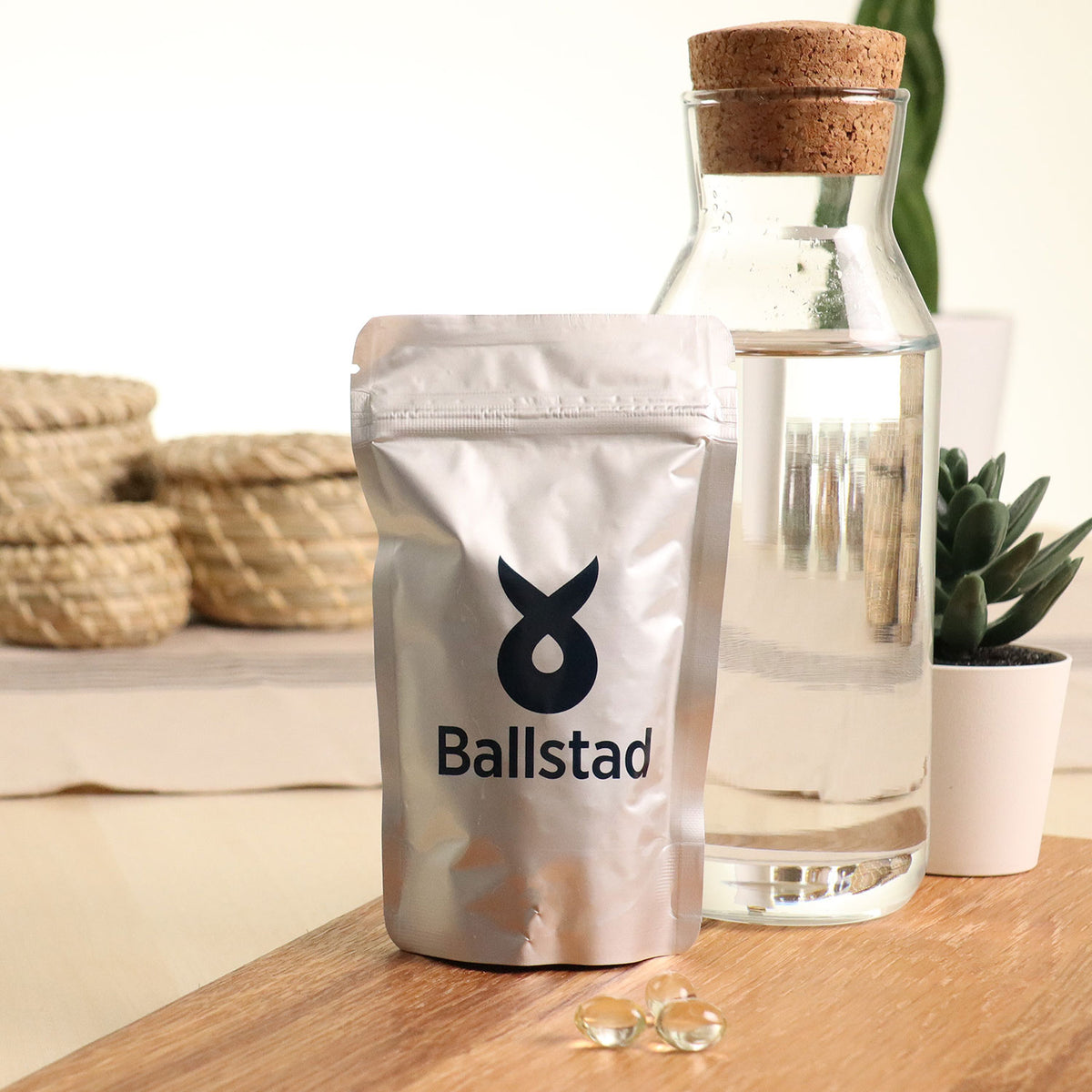
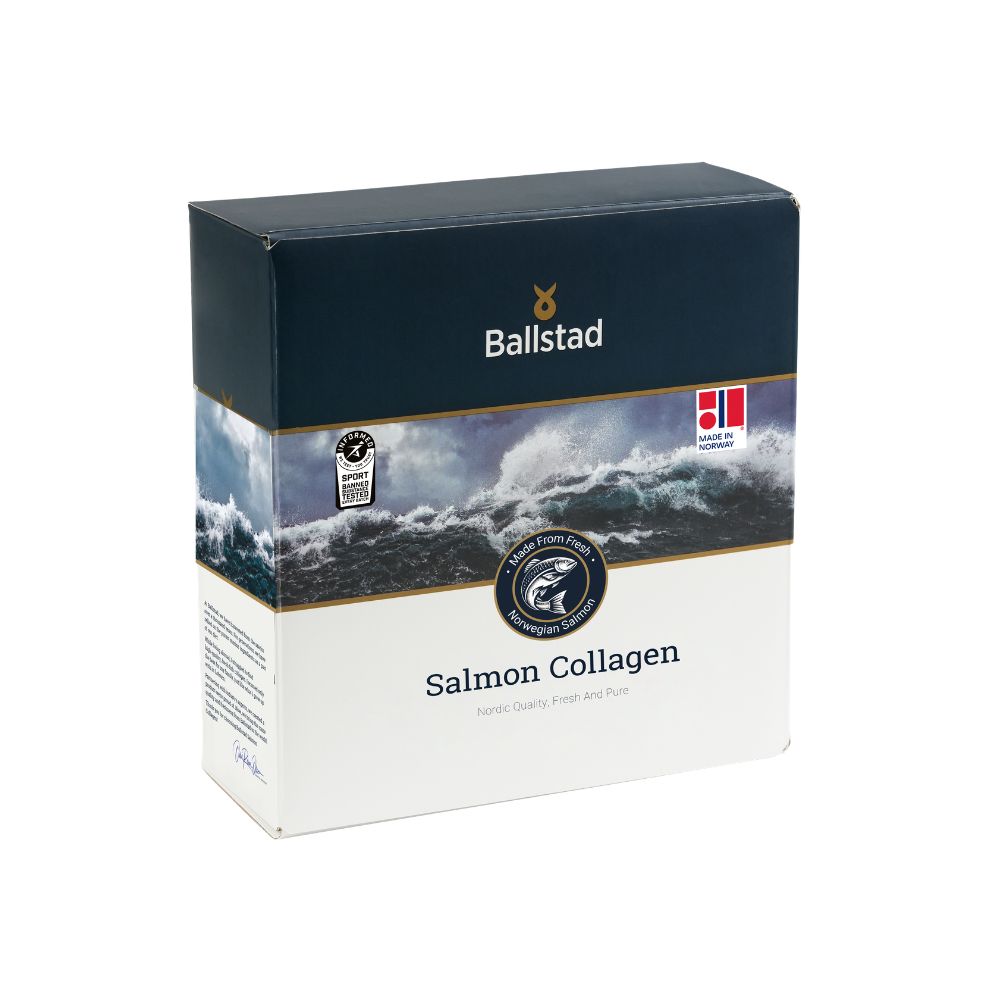
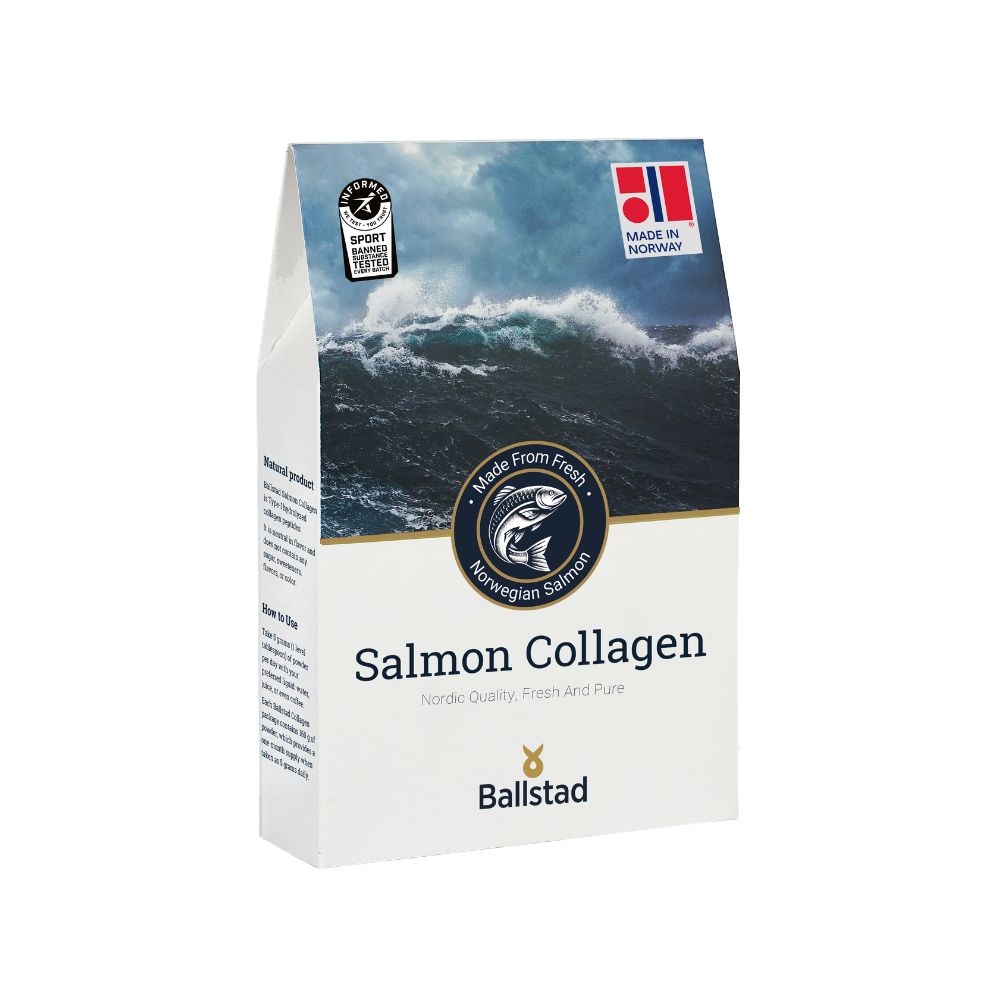
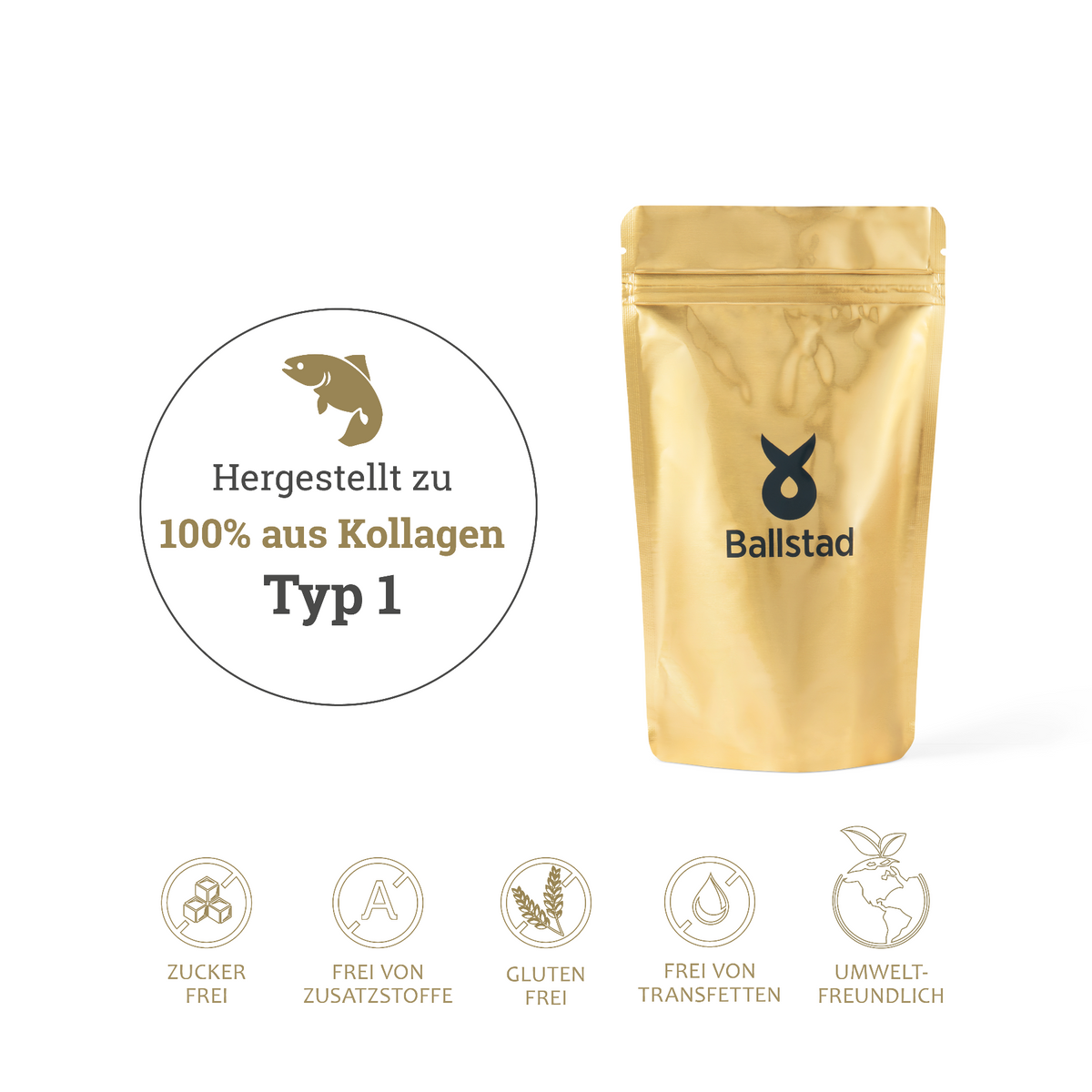
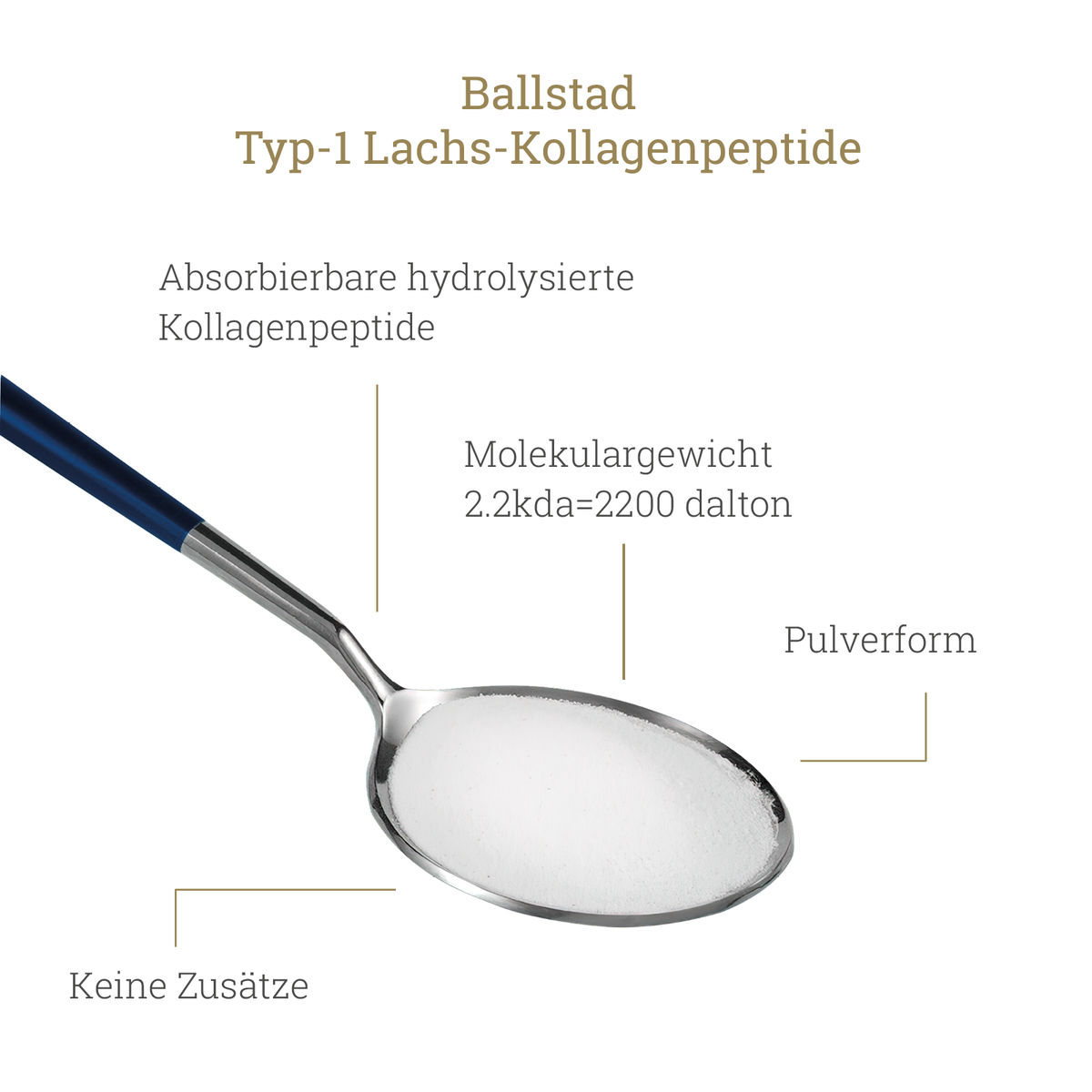
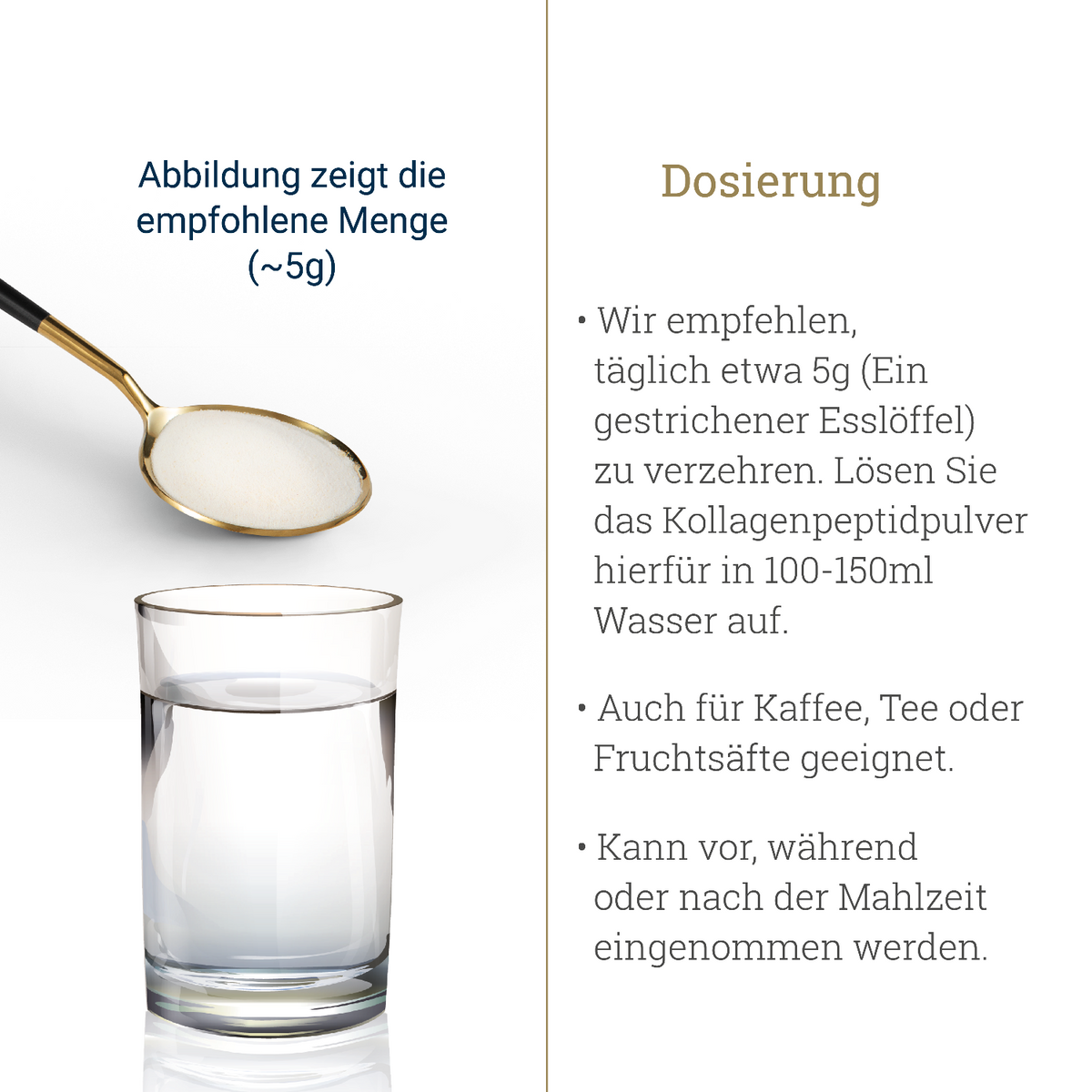
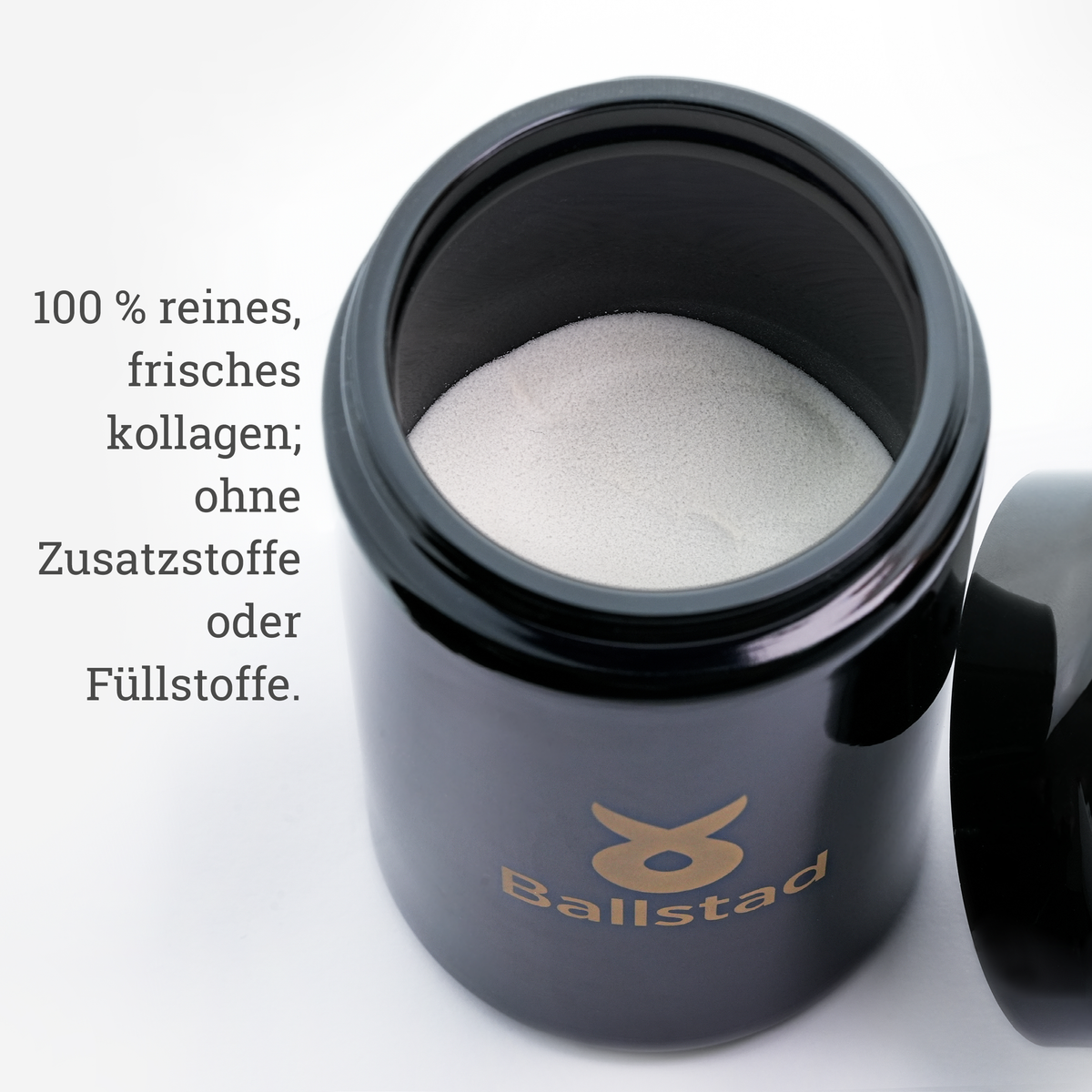
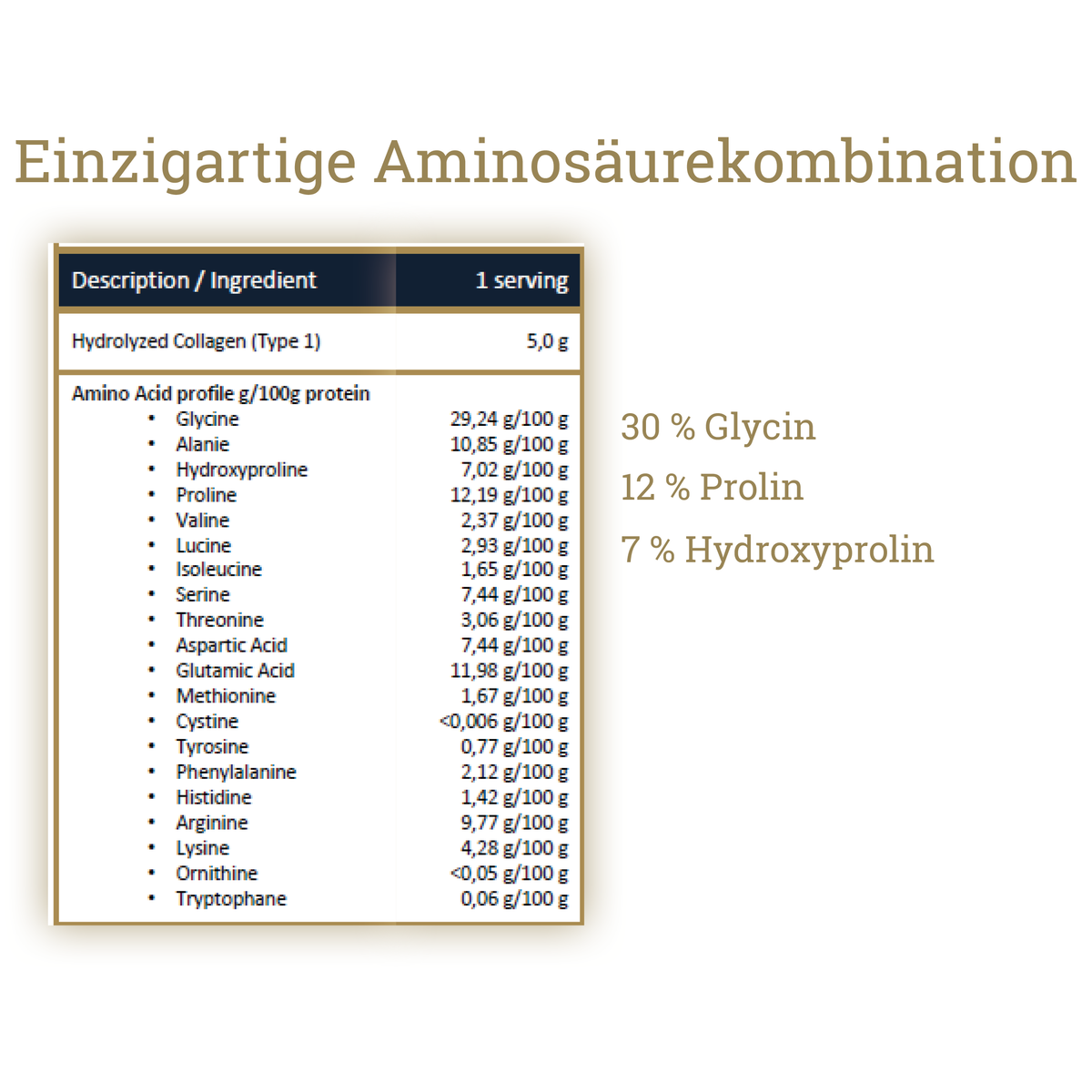
Hydrolyzed Salmon collagen – often also referred to as marine collagen – is valued for its high bioavailability. It provides amino acids such as glycine, proline, and hydroxyproline, which the body needs to produce its own collagen. A neutral powder can be easily stirred into water, smoothies, or other beverages and integrated into daily life.
Nutrients for the body's own collagen production
Several nutrients are essential for the body to build its own collagen. Vitamin C, for example, contributes to normal collagen formation for the normal function of blood vessels – a claim approved by the European Food Safety Authority (EFSA) . A balanced diet with sufficient protein, zinc, and copper also supports this process.
Conclusion
Collagen is an essential component of vascular structure and part of a varied, nutrient-rich diet. High-quality collagen is crucial. Salmon collagen supplements can be incorporated into a balanced lifestyle as a supplementary protein source – always as a complement to a healthy diet and after consultation with healthcare professionals.
Legal Notice
-
This information material does not replace medical advice .
-
Dietary supplements are not a substitute for a balanced, varied diet and a healthy lifestyle .
-
All statements comply with the requirements of the Health Claims Regulation (EC) No. 1924/2006 and the Food Information Regulation (LMIV) .